


Email marketing: What you need to know
Email marketing is alive and well, despite the new influx of messaging apps and startups. Even our parents are using it. Sorry for not telling you sooner. There are many places online to learn about email marketing (including this one), but those resources often feel overwhelming or try to sell you a product. In this post, we will cover everything you need to know about email marketing in 10 minutes or less.
What is Email marketing?
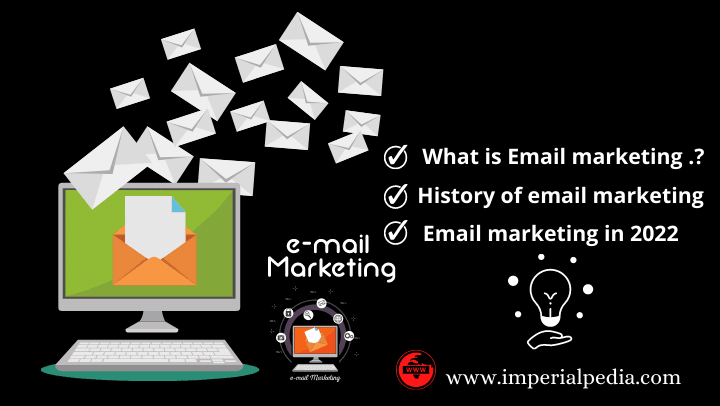
Email marketing is a relatively new kind of marketing that allows you to connect with your customers or clients in direct contact. This can be by email, text message, video, or anywhere else you may decide to send content.
Email marketing isn't just for vendors (the "sales" side) of the business—it's for all those who want to engage their audiences and keep them up-to-date on new products and services. Email marketing gives customers an easy way to sign up for your newsletter, product updates, special offers or discounts, or anything else that will keep them in touch with you when they need it most.
History of email
Email marketing is not a new concept. A brief history of email shares that Ray Tomlinson sent the first email in 1971, and since then, email has become one of the most popular modes of communication and marketing. Although it has been around for more than 40 years, it wasn't until 1995 that marketers started noticing its potential as a cost-effective means to reach consumers. In fact, for the first time, more people preferred emails over direct posts in 2012.
The first documented instance of someone attempting to send a targeted commercial message via email occurred in 1978. Gary Thuerk, a Digital Equipment Corporation marketer, sent out what's considered the first spam email—an announcement for the company's newest DEC-20 computer system. This wasn't exactly what we think of email marketing today, but it laid the foundation for what would eventually become an incredibly effective tool for businesses.
Final words
With email marketing becoming increasingly important to business, it makes sense to dive in headfirst and learn as much as you can about how it works and why it matters so much. And don't be afraid of the scary-sounding terminology—you can learn it if that fancy title is attached to something you need to do. And once you internalize simple terms like "list," "email blast," or "clickthrough," the more you read, the more you'll understand.
How Email Marketing Works
Email marketing starts with building a relationship with people who are interested in receiving information from a business, website, creator, or organization. A visitor may subscribe to a newsletter, request a resource, create an account, make a purchase, or otherwise provide an email address through a legitimate signup process.
Once someone subscribes, their information can be managed through an email marketing platform. Marketers can then create campaigns, organize subscribers into different groups, schedule messages, and measure how recipients interact with their emails.
A simple email marketing process usually looks like this:
- Attract visitors who may be interested in your business or content.
- Give visitors a clear reason to subscribe.
- Collect email addresses through an appropriate signup process.
- Organize subscribers into relevant groups or segments.
- Create useful and relevant email content.
- Send campaigns or automated messages.
- Measure engagement and conversions.
- Improve future campaigns using the results.
Types of Email Marketing
Email marketing is not limited to promotional messages. Different types of emails can serve different purposes throughout the customer journey.
Email Newsletters
Newsletters are regularly scheduled emails that can contain articles, company updates, educational information, industry news, curated resources, or other content that subscribers find useful.
Promotional Emails
Promotional emails are designed to introduce products, services, discounts, sales, special offers, launches, or limited-time campaigns.
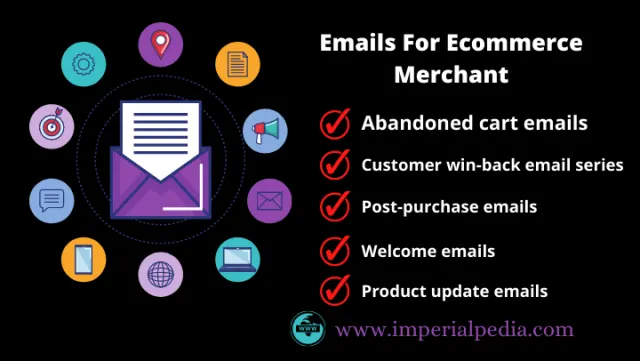
Welcome Emails
Welcome emails are normally sent after someone subscribes or creates an account. They can introduce the company, explain what the subscriber can expect, and provide useful resources or next steps.
Product and Service Updates
Businesses can use email to announce new products, updated services, important changes, new features, or other information that may be relevant to existing customers.
Automated Emails
Automated emails are triggered by specific actions, dates, or conditions. For example, a new subscriber may receive a series of educational emails over several days instead of receiving everything in a single message.
How to Build an Email List
Building an email list is one of the most important parts of email marketing. However, the goal should not simply be to collect as many addresses as possible. A smaller list of people who genuinely want to receive your content can be more useful than a large list of inactive or irrelevant contacts.
Businesses and creators can encourage legitimate subscriptions through newsletter forms, downloadable resources, educational guides, webinars, product updates, account registration, special content, and relevant offers.
The signup process should clearly explain what people are subscribing to and how their information will be used. Subscribers should also have an easy way to stop receiving marketing communications.
Email Marketing Segmentation
Every subscriber is different. Some people may be new visitors, while others may already be customers. Some may be interested in a particular product or topic, while others may have different requirements.
Email segmentation allows marketers to divide subscribers into relevant groups so that messages can be more closely matched to their interests and relationship with the business.
Segments can be created using information such as previous purchases, interests, location, signup source, customer status, engagement, or interactions with previous campaigns.
For example, an online store could communicate differently with a first-time subscriber and someone who has already purchased several products.
What Makes a Good Marketing Email?
A successful marketing email should have a clear purpose and should make it easy for the reader to understand what the message is about.
A typical email can include a clear subject line, useful content, supporting images where appropriate, a strong call to action, and an easy way for the recipient to manage their subscription preferences.
The content should also be easy to read on mobile devices because many people access email from smartphones and tablets.
- Subject line: Clearly communicate what the email is about.
- Useful content: Give readers a reason to continue reading.
- Clear structure: Use short paragraphs, headings, and appropriate formatting.
- Call to action: Make the next step clear.
- Mobile-friendly design: Make sure the email works well on smaller screens.
- Unsubscribe option: Provide a straightforward way for recipients to stop receiving marketing emails.
Email Marketing Metrics You Should Know
Measuring campaign performance allows marketers to understand what is working and where improvements may be needed.
Open Rate
Open rate traditionally measures the percentage of delivered emails reported as opened. However, modern privacy features can make open-rate data less precise, so marketers should avoid treating it as a perfect measure of engagement.
Click-Through Rate
Click-through rate, commonly called CTR, measures the proportion of recipients who click a link or call to action within an email.
Conversion Rate
Conversion rate measures how many recipients complete a desired action, such as making a purchase, registering for an event, downloading a resource, or submitting a form.
Bounce Rate
A bounce occurs when an email cannot be delivered to the intended address. Monitoring bounces can help marketers maintain a healthier mailing list and identify invalid addresses.
Unsubscribe Rate
The unsubscribe rate shows how many recipients choose to stop receiving marketing communications. Changes in this metric can provide useful information about content relevance, frequency, audience targeting, and subscriber expectations.
Email Marketing Automation
Email automation allows businesses to send messages automatically when particular conditions are met. This can save time and create a more consistent communication experience for subscribers.
For example, a business could create a welcome sequence for new subscribers, an educational sequence for people interested in a particular topic, or follow-up messages after a customer makes a purchase.
Automation can also be used for reminders, product education, event communication, customer onboarding, and other recurring communication tasks.
Email Deliverability
Deliverability refers to the ability of an email message to reach the recipient's mailbox rather than being rejected or filtered as unwanted mail.
Deliverability can be influenced by sender reputation, email authentication, recipient engagement, list quality, sending practices, content, and the policies of receiving email providers.
Businesses sending email at scale should pay attention to appropriate authentication and current requirements from major mailbox providers. Maintaining a clean mailing list and avoiding unwanted messages are also important parts of responsible email marketing.
Email Marketing for Small Businesses
Email marketing is not only useful for large companies. Small businesses, freelancers, consultants, online stores, publishers, and independent creators can also use email to maintain direct relationships with their audiences.
A small business does not need to begin with a complicated automation system. A clearly defined audience, useful content, consistent communication schedule, and reliable email platform can provide a strong starting point.
As the audience grows, marketers can gradually introduce segmentation, automation, personalization, testing, and more detailed reporting.
Email Marketing Best Practices
Effective email marketing depends on relevance, permission, consistency, and trust. Businesses should focus on providing value instead of sending promotional messages simply because they have an email address.
- Build your audience through legitimate signup methods.
- Clearly explain what subscribers are signing up to receive.
- Send useful and relevant information.
- Keep subject lines accurate and relevant.
- Make emails easy to read on mobile devices.
- Provide a clear unsubscribe mechanism.
- Monitor bounces, complaints, engagement, and conversions.
- Keep subscriber information accurate and appropriately managed.
- Test different subject lines, layouts, content, and calls to action.
- Review applicable privacy and electronic communications requirements for your target markets.
Email Marketing vs. Social Media Marketing
Email marketing and social media marketing are different channels, but they can complement one another.
Social media can help businesses reach new audiences, build awareness, publish content, and participate in public conversations. Email provides a more direct communication channel with people who have chosen to subscribe.
A business can therefore use social media to attract attention and email marketing to continue communicating with people who decide to join its audience.
The Future of Email Marketing
Email marketing continues to evolve as technology, privacy expectations, artificial intelligence, automation, and consumer behavior change.
Modern email strategies increasingly focus on relevance and personalization rather than simply increasing the number of messages sent. Better segmentation, behavioral automation, analytics, and content personalization can help businesses create more useful experiences for subscribers.
At the same time, marketers need to stay aware of changing mailbox-provider requirements and the privacy and electronic communications rules that apply to their audiences.
Final Thoughts on Email Marketing
Email marketing does not have to be complicated. At its foundation, it is about building a relationship with people who have chosen to hear from a business, organization, creator, or publisher.
The strongest email strategies focus on useful content, relevant communication, audience understanding, measurable objectives, and respect for subscriber preferences.
Once the fundamentals are understood, businesses can gradually introduce segmentation, automation, personalization, testing, and more advanced analytics. The technology may continue to change, but the basic principle remains the same: useful communication can help businesses build stronger and longer-lasting relationships with their audiences.